Introduction
If you've ever watched an antiques programme, visited an auction house, or inherited a collection from a family member, you've probably heard words like antique, vintage, collectable, rare, period and original.
People use these words every day.
The problem? Many people use them incorrectly.
And in the antiques trade, using the wrong word can completely change how an item is valued, marketed and understood.
One of the first things I learned when entering the antiques world is that definitions matter. Not because dealers enjoy technicalities, but because these definitions create trust. When a dealer, auctioneer or valuer describes an item as antique, buyers expect that description to be accurate. And if it isn't, problems quickly follow.
In this lesson we're going to explore how the trade defines antiques, vintage items and collectables, why those definitions exist, and how experienced dealers use them every single day.
Why definitions matter
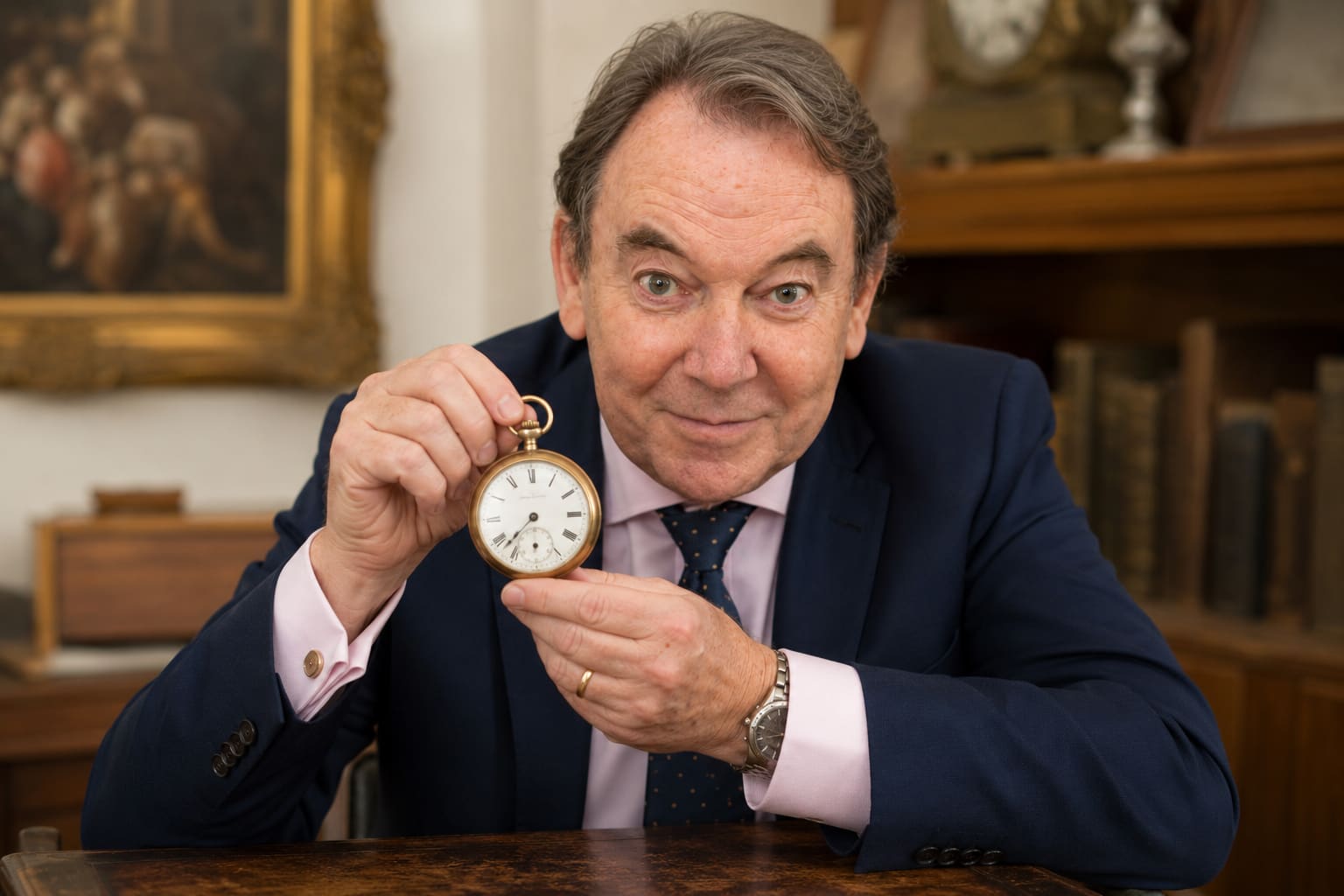
Imagine two watches.
The first was made in 1890. The second was made in 1975.
Both may be desirable. Both may be valuable. Both may have collectors competing to buy them. But they are not the same thing.
One is an antique. One is vintage. Those labels aren't marketing terms, they're classifications. And those classifications affect pricing, insurance, auction catalogues, import and export regulations, dealer descriptions and buyer expectations.
Understanding where an object sits on the timeline is one of the foundations of expertise.
"The first question isn't what is it worth?, the first question is what exactly is it?"
The antique trade is built on trust
One of the biggest mistakes new sellers make is assuming old equals valuable. Unfortunately, that isn't true.
I've seen Victorian pieces worth very little. I've also seen relatively modern items generate enormous collector interest. Age is important, but age alone tells only part of the story. That's why dealers begin with classification before discussing value.
The famous 100-year rule
In the antiques trade, the accepted benchmark is straightforward: an item generally becomes an antique once it reaches 100 years of age.
This isn't a number that appeared by accident. The rule is established across customs authorities, trade organisations, auction houses, dealers and valuation professionals. Today it acts as the universal dividing line between antiques and everything that came afterwards.
Students often ask why not 80 years? Why not 150? The answer is surprisingly practical: when enough parts of an industry adopt the same standard, it becomes the accepted language of the trade. Walk into a major auction house today with an object made before roughly 1925 and it is highly likely to be classified as an antique.
Vintage: the misunderstood middle ground
Vintage is probably the most abused word in the antiques industry. Many people use it to mean, simply, old. That's not really what it means.
Vintage generally refers to objects that are old enough to represent a recognisable period or style, but not old enough to qualify as antiques. Think 1950s furniture, 1960s cameras, 1970s watches, 1980s designer accessories.
These pieces can be highly desirable, sometimes they outperform antiques. The key difference is that vintage describes era and cultural significance rather than legal classification.
Collectables ignore the rules entirely
This is where it gets interesting. Collectables don't care about age. A modern trading card could sell for more than a Georgian chest of drawers. A limited-edition watch produced five years ago might outperform something made 200 years ago.
Why? Because collectables operate according to demand. If enough people want something and not enough examples exist, value can emerge regardless of age.
Age does not create value. Demand creates value.
The four drivers of value
Throughout my career I've found that four factors appear again and again.
- 1
Rarity
How many survive? How difficult is it to find another?
- 2
Provenance
Can its history be traced? Who owned it? Where has it been?
- 3
Condition
How much originality remains? Has it been damaged or altered?
- 4
Demand
Are collectors actively competing for examples today?
These four forces work together constantly.
A real dealer's perspective
One of the biggest surprises for newcomers is seeing ordinary-looking objects achieve impressive prices. Why? Because specialists see things others don't.
A watch isn't just a watch. A medal isn't just a medal. A piece of jewellery isn't just jewellery. Within every category are layers of rarity, history and desirability. Learning to recognise those layers is what transforms a casual collector into a knowledgeable buyer.
Common mistakes beginners make
- 1.Assuming old means valuable.
- 2.Calling vintage items antiques.
- 3.Ignoring provenance.
- 4.Focusing only on age.
- 5.Assuming rarity automatically means demand.
A practical exercise
Look around your home. Choose three objects. For each one, ask yourself:
- Is it modern, vintage or antique?
- What evidence supports that classification?
- Is there any provenance?
- Is there likely to be collector demand?
- What category would a dealer place it in?
This simple exercise begins training the mindset professionals use every day.
Final thoughts from Eric
Before you learn valuations, auction strategies or specialist categories, you need to understand the language of the trade. Everything starts here.
Once you can correctly identify whether something is antique, vintage or collectable, you've taken the first step towards understanding how the antiques world really works. And as you'll discover throughout this course, understanding what something is always comes before understanding what it's worth.
Key takeaways
- Antique generally means 100+ years old.
- Vintage describes era and style, not legal status.
- Collectables can be valuable regardless of age.
- Rarity, provenance, condition and demand drive value.
- Correct classification builds credibility.
- Understanding definitions is the foundation of antique expertise.
Questions About This Lesson?
Leave a comment, ask Eric a follow-up question, or suggest a future lesson. Approved comments appear below to help the wider learning community.